Blog Tag: Brand Strategy

  • The Branded Name Tags: The importance of names in branding

    The Branded Name Tags: The importance of names in branding

    The importance of a name often starts way before your experience of the product or feature in the market. Not restricted to just branding and marketing, names are essential everywhere. For a good, lasting impression in the time where consumers nit-pick on every aspect of a brand, naming can be a little bit of a tedious business. 

    However, getting through the naming process, if done correctly, gives you about just the right leverage to appeal to an audience that will associate your brand with not just its coined identity, but also a persona that is retention-friendly among the hoards of competitors. 

    For a lot of brands that provide services, a serious win is considered when the brand name turns into a verb of the said service. Take for example, Swiggy that started off proving the service of being a food delivery intermediate between restaurants and homes.
    A string of letters that sound funny together (SWIGGY has just about no romanticism attached) and barely have meaning to turn into a universally understood service is an indication of the brand’s marketing efforts and novel sort of branding. 

    Similarly, Google, previously (un)known as Googolplex, renamed itself following research that confirmed that the word ‘Google’ was often used to misspell the actual brand name. Thus, by riding the waves, Larry Page achieved a lot more success misspelling his brand for the sake of the audience than keeping it as intended. 

    The science behind these name-tags aren’t well, quantum physics, but the impact is just as important. Since brands are foremost, a personality made to endear itself to the audience, a memorable name or even a slightly off-beat one has known to generate more inquisitivity to help understand the relevancy. 

    Having said this, it is still a delicate process and often requires extensive research in order to offend the masses. The first step is to understand how the consumers perceive your brand, and sometimes, even the personality of the stakeholders involved.

    The Brand Story

    Take Elon Musk’s company – The Boring Company. The irony and dry humour not gone unnoticed, The Boring Company is exactly what it does – Mining. Given Elon Musk’s popularity and a sneaky bone for the jokes, it made sense to the brand to have a name that would reflect Musk’s personality while at the same time explaining what the brand offered.

    Connotation and Suggestion

    Amazon had a simple brief. It wanted to start with the letter ‘a’ and a word that would singularly explain the magnitude of products and services offered by them. The name Amazon was thus the right connotation to suggest something as vast and vague, similar to the Amazon rainforests. The association was made instantly and barely required reinforcements to explain the identity to the consumers.

    Regard for conventions

    On the other spectrum of this lies Apple’s slightly try-hard attempt at naming their products while appearing nonchalant. Apple X, though intended to be called as ‘ex’ did try to portray the letter as the Roman numeral instead. The con? It was NOT the 10th version of the iPhone to be released. Misusing conventions creates confusion. 

    via GIPHY

    Consumer Promise and Performance

    An unsaid rule of naming brands is this: You cannot name your brand something it doesn’t offer or associate with if you cannot weave a related story out of it. Similar to the heart of branding, go with what resonates; not just with you, but the target audience. To be recognised for the capabilities of your performance and the promise made to consumers is probably a more lasting theme than something quirky that backfires over time. 

     The Brandless.

    The Brandless brand is a personal favourite. Aiming strictly at creating a culture that works against the popularity of established brands, The Brandless brand incorporates in its elements the same. Their packaging of household goods is minimalistic and straightforward. It promises the basic details, a colour to symbolise said product (red for ketchup, blue for cleaner etc.) and the the reminder that it is brandless™.

    Recognition is peak

    Familiarity breeds, well familiarity. To this we say that sew through the internet and its requirements. SEO dictates what the consumers want and in order to be the first choice, a brand name that is immediately available following a Google search is the smartest hack into the game. 

    CheapAccounting.uk is the perfect example for the same. A favourite for SEO searches, brand promise and identity all in one, the company has tricked its way into the minds and search boxes of the consumer. 

    In conclusion, what is important for the brands is to decide if the emotional element is worth the salt. Creativity is the way to go, but surely function trumps perspectives as well? The right way to go about it is being open to ideas, seeing the potential in divergent thinking and keeping in mind that the drill to the consumer’s mind lies in the reliance of your branding and offerings. 
  • Brand ethos – Giving life to Brand Strategy

    Brand ethos – Giving life to Brand Strategy

    All brands desire to be “the one and the only” in the market. Quite the common goal, right? How would you then be different from the rest? Well, ever came across Strategic Branding?


    Nike and Adidas are brands that have co-existed in the same field for so many years now. But quite interestingly, their identities have managed to stay different from each other. While Nike conveys the image of an ‘Ultimate Leader’, Adidas is more ‘Friendly & Approachable’. All their communication, from taglines to social media posts, follow their respective qualities. That’s because they have carved a successful brand ethos for themselves. 

    The brand ethos is basically the character of a brand – its morals, its purpose, its quality, all that which sets the brand apart from the rest. 

    A brand cannot be defined with just the mission, vision and values. These are just elements that set up the brand ethos. Commitment to these elements makes all the difference. 

    Where do we start?

    Brand ethos forms the crux of any strategy. Think of it this way. A person of a distinct character will always be etched in your mind, right? Similarly, brands can thrive only with a solid personality in place. 

    McDonald’s and KFC are other good references. Both are fast-food chains that serve similar dishes. But their design language and tone of voice vary by a huge margin. McD is where you can have a ‘fun, happy meal’ and that caters widely to the kids’ segment. KFC, on the other hand, is about experiencing ‘new, explosive flavours’ and their content urges you in a rush to try something ‘out of the box’.

    Mcdonald

    From a marketing perspective, brand ethos means a defining trait between the company and the consumer. But from a brand point of view, ‘ethos’ is ingrained into every form of communication. It’s basically the heart of the brand that helps in uniform positioning across various mediums. 

    To take off on this mission, brands must write down points on what they have, what they want to offer, and what the targets’ needs are. Their intersection will offer you enough attributes to fuel your brand rocket. However, this would be possible only through thorough consumer behaviour research and brand audits. In short, a detailed strategic approach. 

    Creating your niche

    Every decision that a brand takes must follow its ethos holistically. No action or narrative can be for the namesake. Regularising a brand’s personality is a constant work in progress. 

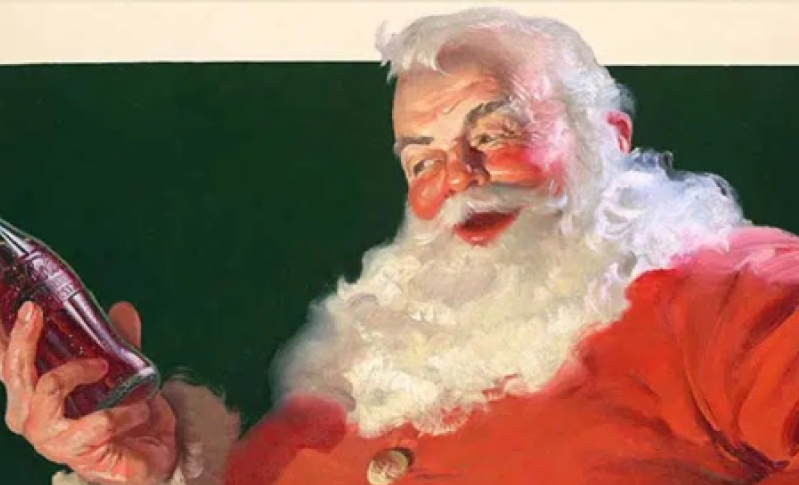
    How does this ethos help with brand growth? A strategy holding a strong brand ethos will help in building a unified purpose and a unique brand positioning. Take Coca Cola for example. From its naming to its expression, it immediately reminds you of a ‘Bottle of Happiness’. It believes in its ethos so much that it once helped normalise the image of Santa Claus of today. That’s right! Read all about it here.

    Haddon Sunbloom’s earliest depiction of Santa Claus for Coca Cola

    Once there is consistency in the brand image, it becomes easy to create relevant awareness among target groups, thereby increasing sales as well. Airbnb did just that. They worked on the idea of ‘Belonging’, be it their website language or their client testimonials. Each premise advocated the thought of a ‘home away from home’ which became their niche to sell their service successfully. 

    Inner image

    Brian Chesky, the Airbnb co-founder, recently created a sensation by renting out a room from one of his homes to talk about the ease of hosting. He said to CBS news- “…wanted to show people if I, the founder of Airbnb could do it, that you could do it as well.” See the pattern there? There is a proper strategy involved that reiterates the brand ethos in every possible form. 

    The art of brand storytelling

    You know what’s the most exciting and challenging part of developing a brand ethos? It’s the narrative!

    Storytelling is integral to any brand development. It is a great stimulator to put across the brand ethos in a captivating way. Everybody wants to hear a story. Branding in itself tries to explore different human emotions in creative ways. Simple and interesting stories with these emotions bring credibility and relatability to the end customers. 

    Harley Davidson has quite an intriguing narrative in place. Their tales echo freedom, rebellion, and adventure with the idea of an exclusive community. Being legendary is by choice and this brand directs you exactly where to make that choice. Their promotions in films like Ghost Rider and Terminator 2 just make it clearer. Now, that’s how you sell your brand. Transparency and consistency of your ethos in the right platforms will just do the trick. 

    Inner image
    Inner image

    Brands must ensure the tone is constantly worked upon and not left stagnant. This will help the customers to travel along your perspective. Storytelling and customer journey together create one good relationship that eventually builds loyalty. No doubt that a clear-cut strategy is the one that leads you right into achieving this goal. 

  • A meme to remember: The Psychology of memes in marketing

    A meme to remember: The Psychology of memes in marketing

    In times when user-generated content is the talk of the town, having memes as an unexplored territory is not an opportunity you’d want to miss, especially as a creator of content for social media. Memes today include a lot more than just viral templates. Mimetic videos – a reminiscence of what used to be famously called vines, and today TikTok too come under the same umbrella of content creation. But most importantly, what it does impart is a look straight into the consumer’s behaviour with content. 

    It induces ’participatory culture’ – among users, and thus more specifically, the audience you aim to reach. The secret behind participatory culture? Establishing a shared language that has memorable moment elements that later result in positive association with the brand.

    PCMag is a popular computer magazine that slowly transitioned into a meme-based post format.

    Take a moment to ponder: The lifespan of a meme is short in the internet space and yet its rate of conversion through replication is high. For brands, this makes for an ideal framework to embed themselves into the consumer’s mind. So how do you incorporate the psychology of memes into marketing and advertising?

    Here’s how:

    Novelty in Framework

    Pick any meme template of your choice. Every meme is essentially a symbol. 

    There exists a narrative in every meme that can be personalised to suit the viewer or creator. Such flexibility in its dispersion can be credited to the fact that the piece of content or rather, the meme template is able to create an emotional association through its symbolism.

    Remember?

    For brands, symbols are elements that require the least mental energy to be recognised and yet hold the power to be associable as an informative resource. To be able to use brand elements in novel methods while still staying dedicated to the prescribed framework showcases the versatility of the brand itself, and its limits of communication.

    Cultural Strategy


    Memes today are available on a plethora of platforms, in multiple versions. The reason templates, mimetic videos, or reactions are easily recycled is owed to the ability of this form of content to be reaction-friendly.

    As brands, looking to compete for attention comes not from advertising superiority but rather from taking stands that have functional or emotional impact on the target audience. Opening up doors to allow for critical reactions to phenomena (provided it aligns with your brand) will hammer home a value that they are unlikely to find in competitors.

    Tools of social marketing


    With access to social media networks getting easier than ever before, engaging with media is more a habit of the muscle than conscious effort. Memes fit this bill perfectly. They are short pieces of information, more often than not – humorous and flexible to use in any platform. That reddit meme he screenshotted on instagram is still just as funny. 

    While access increases, attention is on a steady decline. Users have a shorter span of attention which means that the process of encoding and decoding needs to be swift and effective all at once. How is this achieved? Through simplicity and repetitiveness. 

    Imagine brand marketing and communication campaigns following the same mantra – creating multiple versions of the same content that is short enough to fit the consumer’s allotted viewing time span and ensuring reliability that nudges the action of sharing with others.

    “cool brand posting lit memes to stay relevant ?” – Zomato’s Instagram bio tells it all.


    Advertising is no longer a hierarchy. Consumer opinions shape brand image. While as a brand, you are in control of the content until it’s posted, it takes life based on the consumer’s perception of your ideology.  This is the modern-era equivalent of word-of-mouth advertising. 

    All these options and you still choose the road most taken? You are missing out on an internet culture that is here to stay.  In order to leverage the popularity of memes in the right way for marketing and communications it is important to remember what’s functional for your platform and business. If the fundamentals are right, swerving through the competition is almost…easy (almost!) 

  • The right time – When should a startup rebrand itself?

    The right time – When should a startup rebrand itself?

    Turning a startup into a successful business – a fruitful brand – is not an overnight thing. It takes time, and constant changes. You can probably think of something in your company that should change. And yet, you could be waiting for the perfect time to implement it. Thinking that yours is still a startup and there’s plenty of time. But guess what? Time flies superfast. And the perfect time may never come. The more you delay the change, the harder it is for people – especially your customers – to accept it.

    Whether it’s a startup or a business that is decades old, what lays the foundation for its success is a great brand identity. The company’s name and logo are key ambassadors of its brand. Yet, it is important to understand that a brand is not just these! It is the total of all the experiences, images and feelings that it gives to customers and the public. A good brand will establish trust and credibility, which is reinforced as it evolves. And that evolution largely happens through successful rebranding.

    Better soon than sorry – Why startups should rebrand early

    Both startups and successful companies can undergo a rebrand. It is not meant for only one type or size of business. And if you are a startup founder, there are many valid reasons why your business should undergo rebranding early on. Here are the reasons you need to consider for a Brand overhaul.

    Generalization

    Every business is different, but no business exists in isolation. It has competitors, and belongs to an industry. Customers and the public may have opinions or assumptions about the industry as a whole. And your business may have become part of the generalization.

    You will need to put extra effort to convince them that you truly have something unique to offer. And your brand is not just another one among the sea of brands. The brand needs to communicate its unique selling proposition (USP) right from the start. In the right way, to the right target market. It is best to rebrand it as early as possible. And make the rebranding strong enough to differentiate it from competitors.

    Limited brand recall

    Unless you are a research wizard, you probably didn’t know that Zomato was earlier called Foodiebay, Box8 was earlier known as Poncho, and UrbanPro was earlier called ThinkVidya.

    When they were starting out, these companies may not have given much thought to choosing an effective brand name. This led to a name which limited their brand recall, and they realized it soon enough. That’s when they decided to take their branding to another level. They made a smart move of rebranding early on, while also changing their brand name. They didn’t let time slip away from their fingers. Foodiebay was founded in 2008 and turned into Zomato in 2010. The rest, is history.

    If your brand name is too long, too vague or too complicated to pronounce, it may work against your brand’s favor. And that’s when rebranding becomes essential. Most successful businesses have names that are easy to remember and recall, and easy to search online too. They might even use some catchy name patterns or ways to grab attention.

    Do note that the change of name is subjective. If the brand name is working great and you don’t want to change it after rebranding, you may keep it.

    The impression

    In this fast-paced world, branding is a lot about making an impression and creating an image. If the impression given by your brand is considered outdated, that will hinder its growth. If the image it gives out does not click with its target market, that could backfire. The wrong impression comes with a hefty price, and the right way to fix it is through strategic rebranding. With in-depth knowledge of the target audience, and the industry. A brand revamp is also essential if your current brand identity, brand strategy and marketing efforts are not communicating your message clearly.

    Rebranding is a process, by which the corporate image of an organization is changed. It could involve giving a new name, logo, website, marketing activities, or change in design for a brand. A combination of these, or any of these. To connect with current and potential customers better, to tap into new markets, to gain the trust of potential investors and partners, or to keep up with the changing times.

    Early and effective

    It is much better to undergo rebranding and take the hit early on, rather than delaying the decision. Which could cause a negative impact on your business. If your company is aiming for product expansion, then rebranding becomes vital. Think Dunkin’, which was earlier Dunkin’ Donuts.

    Rebranding effectively and early will set the path for how people newly perceive – and trust – your business. And for crafting a strong identity when meeting new clients or raising funds. Waiting for a longer time won’t do you any good, because by then your current branding may become quite popular – despite not driving any valuable results. So, the earlier the better. It is also crucial that you consult experts in the field of rebranding businesses, so that they help you to smoothen out the process. Don’t wait for change, bring it on!

  • How to ace community marketing for 2021

    How to ace community marketing for 2021

    Apart from the turning the world upside down, the onset of the pandemic also brought along with itself a lesson that brands and companies could avoid no more. It was a moment for them to get their heads out of the clouds and focus on the grassroots – the consumers. With economies going haywire globally, the only way to keep going was to modify your brand and products to suit the new way of life or retain brand loyalty by being relatable in the highest degree.

    For companies, this was their sign to either get ahead of the pack with thoughtful, unconventional creatives or play catch-up over time. Popular campaigns that met the approval of the people were that of Bumble with their OOH campaigns on dating during quarantine and Nike’s ‘play inside, play for the world’ campaign. Modifying their services and brand message parallel to keep up with the pulse of the public was the tactic that worked. 

    An ingenious way to work with this, as seen, is to ensure customer centricity. Make it less about your brand and more about what you can offer and how. Generate content that feels authentic and easy. Get playful and encourage conversations with your consumers.

    The possibilities are endless but the effort is just as massive. While we draw to a second year of the pandemic, here are some strategies that are bound to appeal to community marketing in the year to come.

    GIFs

    Gifs are fun, easy to use and describe just about any mood you like. Social media sites like Twitter and Instagram use a wide variety of gifs generated by users and brands alike. GIPHY, a leading GIF program is the second-most popular search engine following Google. Gif engine optimization is real and it’s booming.

    It succeeds as a brand recognition play because it stays on top of the minds and receives a steady response rate as it grows. You can customize gifs that resonate with your brand, have a channel and build strategies using the same, a concept used popularly by Hootsuite, NBA and Netflix garnering huge view counts as partner channels.

    Meme advertisements

    Memes are all about relatability and…pay attention: ‘virality’. You could almost label it as the most followed form of digital expression spread across social media platforms. Incorporating memes into your strategy is great for 2021 if your primary targets are the Gen Z or millennials. These are best suited for campaigns that are cheeky or want to bring a change in voice, and thus, audience.

    Since memes get viral through shares, a good ole meme, or even a cringey one for the matter drives high engagement. While we do not recommend the latter, a well-placed creative to push your service forward is definitely something a Drake template would approve of.

    User-generated content

    User-generated content today has unfathomable growth  in content marketing for the simple fact  that users love to be on top of things. Leveraged carefully, brands can use this form of content to make their product and services look organic and trustworthy. It works similar to WoM (word-of-mouth) where a potential customer is more likely to trust customer reviews than other forms of advertisement.

    To encourage user-generated content, is to drive engagement that only increases conversions over time. Users will always love a feature, or a mention by a brand they follow. Initiating ways to keep it going will not just ensure regular flow of content, but will also help your SEO rankings.

    Employee generated content

    Not very distinct from user-generated content, employee-generated content is a specifically growing trend owing to the pandemic that has left the world realising the need for a wholesome work environment. By supporting the content your employees post, you are showing that you see them beyond the label of an employee and you care.

    Curate a set of collections featuring your employees within a given theme to keep the content consistent. Encourage proactive policies where employees can post or talk about their experiences. Other users watching that content will not only help your brand awareness but also bring to the fore the culture of your company and message.

     Email marketing

    Email marketing strategies still hold the place for the best way to communicate with all your subscribers closely. It’s response rate comes from the fact that it approaches you personally to get your attention. This personalisation, coupled with the efficiency in cost and time is just another bonus. 

    Utilising this as a marketing strategy in 2021 is just using the right game plan at the right time and (media) space. Keep your value inquisitive and worthy of a second-look. With the time at hand, consumers are likely to unsubscribe just as soon.

    The crux remains the same – community marketing is and will be valuable for a long time to come. This also meant that brands had to get more creative and hit closer to home than before. The concept was to become your consumer’s best friend, not their role model.  Organic social is often underrated and underestimated. Consumers are constantly seeking to be more involved in action in any form. Content marketing for the community is simply looking for a rise like never before. 

  • Why designing a brand personality and logo is vital for brand equity

    Why designing a brand personality and logo is vital for brand equity

    It should come as no surprise that the concept of a logo, since its first trademarked existence in 1876 has remained constant in its importance to a brand’s equity. Strong brands today are distinguished by their brand personality and visual design characteristics. 

    The Bass Ale triangle – first ever trademarked logo, from 1876.

    To understand the ‘why(s)’ and ‘how(s)’, the first things to cross out in the checklist is to understand the meaning and correlation between each of the mentioned brand elements in regard with brand equity.

    Brand personality is how you conceptualise a brand through personification. When you read, ‘Ed Hardy’ in its red cursive or ‘Nike’ in its boldness, the personality you form in your head is ruggedness. Similarly, when you read ‘Rolex’, or even ‘Rolls Royce’, the second thing to come on your mind following a classy automobile is its sophistication.  How do you form these?

    Brand logos ideally serve the purpose of exhibiting said personalities. A consumer’s curiosity and perception of a brand are more often than not based on the first impression. Hence, brand equity is very well defined by the brand’s personality and the ability of the logo to be descriptive of the same.

    Before we dive in, here is a pro tip: Do not ever hesitate to invest in a good logo. The rewards undoubtedly come in manifold before you know it. This is because your brand personality is never better reflected than in your logo.

    Here is where you make your first and probably, lasting impressions: 

    1. Logos are viewed and easily processed.

    In an increasingly competitive market, you want your stimuli to have the greatest effect. To an unfamiliar consumer, the visual identity of your brand will be instrumental to form a response or perception that will later influence his/her buying behaviour.

    Moreover, a logo cements the impression of the brand personality to later influence brand equity. What you need to be looking for is to create strong impressions of trust and authenticity. This is highly valued by customers.

    2. Brand Impressions through associations

    Activating associations is important for audience retention. It is one of those agents that play a role in affecting brand equity. This means that the name of your brand, its logo, congruence with other brand elements has its overall impact.

    Imagine McDonald’s but in a black and white billboard, or, Burger King but in Times NewRoman. Disorienting? Yes. This is the power of associations. Fonts and forms are often known to elicit specific responses to brand impressions.

    Research and learn what works for your target audience.

    3. Consumer Behaviour


    Some logos fare so much better with just icons, while others require words or a mixture. Characteristics of visual design in a logo like an asymmetry, incompleteness are very often perceived to be sleek, modern and innovative.

    Feeding of the first pointer, how a consumer perceives your brand determines the commercial value you will receive from the consumer. This is where the buying behaviour of your target market is determined.

    The generation and retention of all these stimuli help to understand your perception in the market. Thus, the relationship between descriptiveness and brand equity becomes apparent. The research accrued from this primary perspective later influences marketing decisions and campaigns.

    While your logo doesn’t have to be informative, it can surely direct your consumer towards favourable responses, the kind you are looking to serve. To build credibility and authenticity is hence reliant on making strong impressions that provide value to your consumer.

  • Things not to do for successful marketing

    Things not to do for successful marketing

    The world of marketing is taking new forms in the online digital platforms. The online marketing field is moving at such a fast pace that the traditional methods of marketing are slowly becoming obsolete. There are so many tips and tricks that are floating around to get you on the top of your game. However, sometimes we tend to get so caught up doing the right thing that we forget to watch out for the things that we’re not supposed to do. Here are a few things that you shouldn’t do for successful marketing online. 

    Don’t Push your ideas or products

    Being that best in the market and bragging about how exceptional your services are may get you to a certain audience. Bragging about the technological expertise to address the needs of the market might be an impressive document to read. But in reality, people are looking for solutions for their needs.They need solutions that can work for them. There is a thin line between bragging about your work and communicating the services you offer. Pushing ideas that a certain product is a must, is not going to get you anywhere. You can be out there through online media and give the right answers. But not engaging the real needs is not going to help people who are looking for simple solutions. Just helping customers find the right answers helps build relationships and trust. Give customers things that they can engage with, give them what they need and not what you want them to need. Customers don’t want to read something that is irrelevant to them. They need things that they can use. Providing answers to what people are asking and pointing people in the right direction helps build a genuine customer base. Which in turn builds loyalty with the company over time.

    Don’t overdo promotional pricing or special offers

    Many a times you lose interest in shopping because everything you buy is so easily available and there is nothing unique about it. This happens mostly because of the promotional pricing and special offers at stores all around the year. Which tends to make customers more spontaneous. Customers are more likely to make spontaneous decisions and buy things only when they are on sale. Also, it is all the more likely that the customers will come back for a refund. Which in turn affects the profits because of the discounted pricing and no sale of the product either. Sometimes it is better to have surprise sales and discounts to keep the surprise element of sales going. Because this then would instill the FOMO (fear of missing out) factor alive in the customers for them to come back for more. Having a sale every now and then takes away the element of surprise and gets customers so used to the trend that sales are always going to happen. And therefore deject the urge for shopping itself.

    Not just that, but overdoing promotional events and discounted sales affects brand value. Having endless discounts on products makes the brand come across as a pretentious brand, eager to move products and nothing more. Which then brings down the brand value and tags it as a less fashionable or exclusive brand. Having predictable sales and promotional events do more damage than good. Hence it is better to have these promotions every once in a while and not as a regular affair.

    Don’t poorly package your product (make the first impression the best impression)

    When we order a product online or pull something off of the store’s shelves, the first thing we notice about the product is its packaging. And because first impressions go a long way, the packaging designs of the product must be given due importance. A poor packaging design puts off the excitement of a person and chances are that they’re not going to buy this product again.

    Imagine if a customer were going to unbox a product in front of a few friends, or give it as a gift to someone. And imagine if the first thing they see isn’t so impressive, what’d you think will go through their minds? It is intimidating to think that isn’t it? Well, the best thing to do in this situation is to rethink the packaging design. And make it impressive so that you don’t lose those potential customers. Gone are the days when packaging didn’t matter much. These days all the minute details of a product are so important and attention-worthy. Because at the end of the day, if a product isn’t up to the mark. People are definitely going to let the world know about it, and thanks to technology, the reviews will be out there for all to see. Anyway, the main point we’d like to convey is that. – Packaging of a product is an important factor that affects the buying decisions of customers. You do it well, you gain the world, while a dreadful design is going to get you nowhere.

    Don’t Market without a USP

    USP or Unique Selling point is a differentiation factor that helps distinguish between your business and other companies in that space. This factor enables the product to stand out amongst its competitors and provides an image for itself and increases the value for money. One of Apple’s famous tag-lines was ‘If you don’t have an iPhone. Well, you don’t have an iPhone.’ This was also their selling point. Apple has established itself as a unique brand. Similarly, it is important to highlight that one unique aspect of our product that sets it apart from the competition. Having a USP for your product is sure going to boost the product’s sales and presence in the market.

    Not having a marketing plan

    A marketing plan helps with planning and strategizing the promotion of your business. Quite like a business plan that charts the operational functions of a business, having a marketing plan helps chart out the promotional events and advertising activities of the business. Not having a marketing plan could jeopardize your promotion strategies and events. There are high chances that your events may also seem disorganized when you don’t have a plan. As the wise saying goes: ‘When you fail to plan, you plan to fail’. Having a plan will always give you the time to assess and rethink strategies. Researching the market and target audiences to organize a promotional event are things that need a marketing plan. Not having a marketing plan could get you in trouble with your finances as well. This is because generally, the marketing plan would clarify the budget and expenses. And without a budget in place, you are more likely to lose track of the expenses and end up leading your business to a financial crunch.

    A marketing plan would also help keep track of your strategies and best practices from previous events. Without one, you wouldn’t know what might’ve gone wrong and where you need to invest your time and energy. So having a marketing plan is crucial for businesses to build a successful empire.

    Ignoring the competition

    Ignoring the competition and going old school about being the best in the market is good. However, knowing your competition has its own advantages as well. You may have heard the saying ‘keep your friends close and your enemies closer’. Though not all competitors are our enemies, getting to know our competitors might be a good idea to build a healthy competition.

    It is crucial for you to know your competitors well. Because in the end, finding out what they do, and how they do helps us come up with better innovative solutions. Being aware of the competition helps you explore spaces that have not been explored before. And amid tons of information and solutions in the world. There is always room for improvement and platforms to provide better, quicker solutions. The other advantage of getting to know the competition is that it helps us avoid pitfalls in the future by learning from their failures. And not just that, an added advantage is that you get a headstart in your journey by getting to know the best practices in the industry.

    Well, these pointers are just a few helpful guidelines to exercise good online marketing and best practices with customers in the industry. But, at the end of the day, remember that it’s always about the customer and meeting their needs. Always practice ways to build their trust and authentic relationships with them. There is no shortcut to winning customers unless you genuinely provide the right solutions for the customer’s needs.

  • Successful Rebranding – How to Rebrand a Failed Product to Success

    Successful Rebranding – How to Rebrand a Failed Product to Success

    Why should I rebrand?

    There are many reasons as to why one would choose to rebrand their service, product or company. Some do it to improve the company’s success, some do it to change things up a bit. Some firms rebrand to give the company a facelift and some do it to revive a long lost product line. In all these aspects we recognize that rebranding is a tool that transforms the tangent of growth of the company.

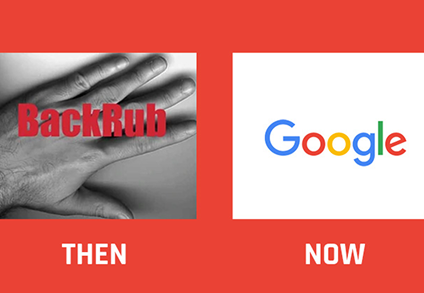
    Did you know that Google went through a name change in 1997? You’ll be surprised to hear that it was called Backrub before.

    Imagine asking a friend to ‘backrub it’ instead of saying ‘google it’, hilarious isn’t it? Another example of rebranding was that of Apple Inc. the tech giant. Apple went through a major restructuring when Steve Jobs returned as its founder in 1997. These are some major rebranding examples that we have seen in this era.

    What is rebranding?

    Rebranding isn’t just about getting a new logo or changing the colors of brands. While these are significant changes that we do notice, there are many more elements that go into the underlying process of rebranding. It involves tiresome thought processes, strategies, retrospection, and brainstorming of fresh ideas.

    Old Spice Rebranding Example

    Old Spice is an American brand of male grooming products such as deodorants, shampoos, aftershave lotions, etc. it is an age-old brand that has been in the market since 1937. The brand has been remarkable in reaching their target audience back in the day. However, as the competition for men’s grooming products rose in the 21st century, Old Spice was left in the shadows as a brand for the old men. Soon enough, the folks at Old Spice, realized that they needed to rebrand and bridge the gap between the brand and its audience. It was all the more difficult to achieve this goal because of the brand’s association with the older folks.

    Photo credit: Early American Old Spice article, Fortune Magazine, 1940

    The younger generation never bothered getting any products from Old Spice as the brand wasn’t so appealing. Also, for a long time, they even had a line printed on their products – “if your grandfather hadn’t worn it, you wouldn’t exist”. This tag line echoed the message that it was a product for the older folks. Though these were well-thought copies for its time, the brand’s association with the younger generation became nil. And since the folks at Old Spice wanted to see their positioning as a grooming brand for all ages of men. They went all out on a rebranding ad campaign.

    Old Spice Viral Ad Campaign

    A well thought out ad campaign premiered during the 2010 Super Bowl, that seemed to have broken the age-old spell of the brand. Old Spice’s ad campaign “The Man Your Man Can Smell Like” took its audience by surprise and went viral on YouTube. Above all, in a few hours of release, the ad was viewed nearly 220,000 times and today that number stands at 57million views as we publish this blog. The ad became a huge success for the brand and its digital presence sky-rocketed to a 3000 percent high.

    Old Spice kept coming back at promoting more stuff on TV, print, Twitter, Facebook, and etc., which helped them reach the audience they needed. Later, on further analysis, Old Spice discovered that the brand organically reached the age group of 18-35 easily. Now, how did they rebrand so well? What are some things that we can learn about effective rebranding? These are questions that we will look into here.

    Steps to Successful Rebranding

    Rebranding might be a little confusing at times and you might even become unsure of where to start. However, not knowing what to do, when to do and how to do is something we’ll be clarifying today. With a decade of experience in the field of branding and rebranding, we’ll be sharing a few pointers on how to go about this rebranding process.

    Introspect The Brand

    The very first step to any rebranding project is to quantify the reasons for rebranding. This means that you will have to ask difficult questions to address the need to rebrand. This helps in giving clarity and focus to hit the bullseye and achieve the goal.

    Old Spice was meant to be a men’s grooming product and not an old man’s grooming product only. This may have been something that their brand lost over time. Therefore, it is always important to reflect and go back to your roots when you rebrand. This step is a crucial part of the rebranding process. Be it expansion, streamlining or recovery from a fall. It is important to be clear about the motive behind the rebranding. For instance, in Old spice’s case, they wanted to break the tag of being a brand for old men and capture the younger generation as their audience too. 

    Another recent rebranding project that we easily notice is that of Facebook. It was clear that they wanted to streamline their businesses and bring them under one umbrella. Which led them to restructure the corporation and come up with a new logo for Facebook Inc. This was done to differentiate between the corporate office and their social media platform.

    Analyze The Type of Rebranding

    The next step is to analyze and choose the right type of rebranding. There are three major types of rebranding. First, the visual change – this mostly involves a change in the logo design or the typesetting, fonts, or color. The next type is Name Rebranding – this generally happens when a brand wants to recover from a negative event or wants to change its name because it is outdated. And the final type is the Organizational restructure – this is a type of rebranding, where an organization goes through a complete restructure. In simple terms, it is much like a renovation. In organizational restructure – the vision, values, and ethos of the organization are revisited to correct the inefficacies.

    Old Spice knew that they had to invade the digital market and make their presence known. They knew that it was more of a visual rebranding that needed to take shape for them. Similarly, not just Old Spice even Federal Express went through visual rebranding by redesigning its logo for a modern feel in 1994. 

    Note The Changes

    The next step to rebranding is to think about it as a whole. Thinking through the different types of rebranding, brand positioning, and brand architecture, we need to write down the necessary changes. Components like brand positioning and brand architecture will help you target the audience you want to cater to and convey what the brand stands for. Old Spice knew that their products had to have a modern look and feel. And, they achieved this by using funky names for different lines of products to acquit them to the current trend.

    Assess Risks and ROI

    It is always advisable to spend lots of time in the initial steps as they need a lot of thinking and reflection to do. However, the next few steps of rebranding are pretty straightforward and deal with the economics of the brand. Here’s the tip, since rebranding projects cost a lot of money, it is important to pause and assess the risks involved and the Return On Investment (ROI). At this stage, getting marketing experts and financial advisors involved is a good idea before jumping the gun on rebranding. Because in the end, if the benefits outweigh the risks, you can gladly go ahead and execute the next stage of the rebranding project. However, if it is not, then it’s good to pause and wait for the right timing.

    It was a huge risk for an old brand like Old Spice to use humor as their tool when their previous ads were bold yet elegant with no room for jokes. They used humor to surprise the audience and took a big leap of faith for themselves as a brand. And the kind of returns they received is immense. For them, A creative video worked out to their benefit. However, using the same formula and techniques might not work for others. In these instances, it is better to stop and think creatively for a unique solution. Because every rebranding project has its own unique challenges and solutions.

    Test and Modify Rebrand Model

    The next step is to roll out a rebranding model and test it. Get feedback from stakeholders, focus groups and other beneficiaries of the brand. Get people to think critically and challenge the model for any failure, so that you are prepared for the worst. And after rigorous testing of the model and making improvements. It is time to chalk out a plan before the actual re-launch of the brand.

    The Launch

    The final step is the most nerve-wracking experience one can have, the Launch. No matter how doubtful you might be with the rebranding launch. The success of the rebranding project relies on communicating the ideas effectively. And also to cohesively adapt all services and products with the change is a must for its success.

    A wise practice taken by Old Spice was to be consistent with their videos. They didn’t stop at just one video but kept communicating the same message on different videos that they produced. They constantly kept the momentum going through interactive social engagements with stars that influence this group of 18-35 years. And towards the end, this ad campaign led them to a glorious success. 

    Always remember this – The reason behind rebranding is crucial to choosing the right type of rebranding. In some cases, too little is too much, and in some too much isn’t enough. Getting the right amount of rebranding is essential for the success of the brand. And, when in doubt, consult a specialist. 

  • Evolution of Packaging Design Strategies

    Evolution of Packaging Design Strategies

    Have you noticed any change in product packaging these days? Well, we’re sure you must have come across the new packaging design of Coca Cola’s cans and Lays’ Smile packs. Coca Cola came up with clever ways to not just buy the product for yourself but also share it with a loved one or a friend. With a successful ad campaign called  Share-a-Coke. Coca Cola managed to share this message across all of its assets. Be it advertising videos, billboards, etc and especially product packing. They used the packaging as a medium of communication to achieve a good brand presence and recognition. They designed the product’s packaging around this theme and made sure that it echoed the same message. With messages like Share-a-Coke with your Bestie, Dad, Mate, etc printed on the labels. Coca Cola made sure that the products spoke what they as a company communicated.

    Image via Flickr

    Packaging Design In the Real World

    Another similar story of Lays’ packaging is eye-opening. In October 2019, Frito-Lay launched its global smile campaign to India as ‘Lay’s Smile Deke Dekho’ (Meaning – Lay’s smile and see). This campaign was a plan to personalize the brand and gain traction. The campaign was launched in Oct 2019 with two famous Indian actors – Ranbir and Alia. The campaign aimed at bringing awareness of the different flavors of Lay’s by personalizing it with the different ways to smile. And the journey of the campaign was communicated best in their packaging design.

    The idea came about by hype of emoticons, so much so that the management decided to give emoting a chance. The campaign saw a huge success in seeing a million impressions. The simple use of packaging to smile gave a boost to connect with the audience in a big way. The Smile Packs of Lay’s are still a popular hit in the markets.

    Importance Of Packaging Design

    Now, in both these examples. We see that packaging design played a pivotal role in creating a brand emotion and connecting with the audience. We know that Packaging Design is a game changer in establishing trust and confidence with the customer. Because in the end, the product that consumers buy helps them map the brand at the appropriate level. A study shows that a consumer’s buying decision is dependent on the packaging of the product. So it is crucial to give Packaging Design a thought as it is vital for the success of any product or brand in the market out there.

    Packaging Design – Tales From The Past


    Packaging has stood the test of time and has been there with its long history that is difficult to date back to. Due to the nomadic nature of humans to move around. We know that the need to store food was an absolute necessity. However, the method they used to store food is something that we can’t get a handle on. If our assumptions are right, the pri-historic packaging can be possibly dated back to 5000-3500BC. Where they used natural materials like gourds, leaves, wood and animal skins to carry and store their food. Later as civilizations grew to bigger village communities, and the style of packing was also improved.

    Packaging solutions from 10th-9th century BC. Via Wikipedia

    We notice these developments when we think of baskets being weaved from plant fibers. Animal skins being sewed to store water or liquids. Sculpting clay pots for storage and crafting wood into boxes for storage. We know later, that as communities started to develop into cities, there is a shift in the innovations in packaging. The introduction of brown glass, industrial glues, and wooden barrels gave new platforms to store and transport.  As the transportation of products grew in popularity. The concept of trading food and liquids to different places became a thing.

    The next era which was a boon of the industrial revolution practically uplifted the packaging sector to great heights. With the introduction of machine-made manufacturing, the process of packaging reached greater speeds. And also the idea of individual product packaging was gaining momentum. Single-use throwaway packaging options like aluminum foil, frozen food packaging, and milk cartons became popular until the end of world war II. The dawn of modern-day packaging gave rise to plastic containers and paper labels. The packaging was starting to become an effective tool for sales and marketing. The ideology of packing as a tool to store, transfer and conserve was transforming into a mode of communication as well. With the introduction of Polyethylene, it became the norm for packaging as it was a cheap option. The material didn’t last too long as it caused environmental problems due to its non-recyclable nature. Strict rules and standards were laid to curb environmental issues, giving rise to sustainable options. Now, the trends of packaging are moving in the direction of reusability, functionality, and optimization of waste.

    Evolution of Packaging Design In The New Decade

    The last decade has seen a great fluctuation in the way we handle packaging and its waste. With a rise in the awareness about sustainable living and caring for the environment. Consumers these days consider products that are more eco-friendly and safe for the environment. Manufacturers are starting to ride the way of sustainable living. And designing environment-friendly packaging for its products.

    A snack brand in the UK called Snact is paving the way for others to follow with their 100% compostable packaging design.

    Image via natwestbusinesshub.com

    Similarly, many companies are following suit. And investing in packaging designs that are environment-friendly and reduce the ecological footprint. Gone are the days when packaging was putting a label on the product and selling it. The visual appeal, functionality and environment-friendly packaging are some factors that have taken center stage in packaging design. It is observed that people’s buying decisions are dependent on the packaging of the product. Hence, packaging design has become a part of the experience of the product, and companies are catering to these needs of the consumers as well. Be it the box in which you get your new phone, or a carton that you pour out milk from, consumers are giving attention to the details of the packaging design to check and see if they are Instagram worthy.

    Functional Packaging – The New Mantra

    An important trend or concept that is taking shape is the functionality of packaging design. Consumers all around the world are looking for ways to make their effort minimal, people are no longer interested in buying snacks off the shelves and empty the contents in a bowl to eat, they want the packaging to do the job of a serving bowl as well. People are looking for products that are ready to be kept on the table without the hassle of transferring and storing in containers. Beautiful zip pouches that can be locked and opened multiple times, food containers that double up as plates are some examples of functional designs that are gaining traction in the market. ID Dosa Batter went through a revamp with its packaging design.

    Image via amazon.in

    Unlike the old design, ID’s new packaging doesn’t need its contents to be emptied into another container. Instead the packaging itself acts as storage because of its zip lock feature and a strong base to keep the packet upright. The instructions on the packaging are self-explanatory and simple to understand as well, which makes it a consumer-friendly product to use. Another important aspect that we notice is its visual appeal. Though the graphics are at a minimal, the packaging clearly gives you a picture of what you are getting when you look at it. Now what does this have to with today’s packaging?

    What Can I Take Back?

    We know for a fact that the digital world is booming and online shopping is replacing the traditional ways of shopping. And from the examples that we’ve seen earlier, we know that visual appeal is one of the important elements of packaging design. Choosing the right graphics, colors and design are crucial action points. Be it placing the logo design, or putting pictures of the product or the brand colors that you want to use for your packaging design, all these elements need to be given attention to detail. Remember, people’s buying decisions are based on the design of the packaging of a product. Making sure that the product looks appealing is an important factor.

    Another vital element for any product packaging is its functionality. Learning from ID’s example. The aim of the redesign was perhaps to solve the problem of transferring the contents of the packet into another container. Creating packaging designs that are functional give products an edge over its competitors in the market. Consumers are always looking for products that simplify their effort. The lesser the amount of effort utilized to consume a product is going to attract more consumers to it.

    Finally, it is advisable to create products that speak for themselves. As they are more likely to gather an audience than those that are hard to understand. Making packaging designs that are functional to use, beautiful to look at and easy to understand is at the core of packaging designs. People are wired with certain functions or instructions. Tapping into those preset functions and incorporating it onto the product design will give you a better edge to reach your consumers effectively.

  • 5 Must-knows before rebranding your business

    5 Must-knows before rebranding your business

    Your business is probably many years old now, and things seem to be going fine. But you still feel some disconnect between you and your potential customers. Maybe, your company has recently raised a considerably large amount from a recent round of funding. And your investors expect you to make significant changes in your branding. Or  you are not as happy with your business logo now, as you were years ago. You feel it’s time for a new direction, and some fresh thoughts.

    Whatever be the case, you could be thinking about rebranding. That is, changing your business image, by giving it a new brand identity and stronger ways of differentiating yourself from competitors. 

    Sure, there are many ways rebranding can benefit your business. If done well, rebranding can do wonders. But before going for it, here are some vital things you need to keep in mind – so that things go smooth.

    What your ‘why’ is 

    First things first, get clear on exactly why you want to rebrand. Put down the reasons. 

    • You are expanding, or diversifying your business.
    • You are trying to cater to new target markets, or perhaps international markets.
    • You want to stand out from the crowd of competitors.  
    • You want to keep up with the changing times.

    Your ‘why’ matters and will decide the approach of your rebranding process. The process is different for every business, because every business is unique.

    Rebranding of Thoppia – Read the case study here

    It is also crucial to understand that rebranding is not only about changing the logo. It could even involve changing the brand/company name. It changes the image your business projects, and the feeling people get when they interact with your brand. This makes it all the more essential to have strong reasons for rebranding.

    What is liked, and not liked

    It is important to know exactly what your customers like about your brand – why they keep coming back. These things can be retained or accentuated in your new branding. Also figure out what they are not liking about your business. Though hard to admit, there is a small bunch of things that could make them choose your competitor over you. You may have to understand this from customers themselves. They can be changed, eliminated, or improvised on.

    It is equally essential to know what your stakeholders and employees like and don’t like about your current brand. What changes they think are required, and also how receptive they will be to any kind of change. Many companies use questionnaires, surveys, elaborate meetings and telephonic conversations – to get a clear understanding of these nitty-gritties before starting with rebranding. When they need a brand redesign, they may not completely scrap what they have already built. Or they could let it all go and start fully afresh.

    A plan and budget in mind

    Rebranding is a process, a journey involving several steps. Of course, you will not be able to know exactly how things will turn out, and you can figure things out on the way. But it helps to have a plan in mind. And experts in the field of rebranding can devise that plan a lot better. They will help you get clear on what you can achieve with the rebranding, and how to get there.

    You also need to understand that rebranding changes things quite a lot – for your business. Anything and everything from your stationery, brand colors, brand personality, to the way advertisements are designed – will change. And that means you will need to have a considerable budget, and plan your finances accordingly.

    The cost will vary from business to business – depending on its size, type, and popularity. However, rebranding must not be seen as a cost or expenditure, but rather as an investment. If done well, it can lead to great returns over the business’ life.

    Both rational and emotional aspects

    A great brand is built by unifying both the emotional and rational aspects involved. You may be inclined to one over the other, but you should consider balancing them both. Everyone will have a different perception and perspective. Be it of your logo, brand colors or graphic style.

    People can choose what they want to see, and they might see something else when they take another look. Their perspective can change in a few months, too. Create a healthy mix of rational and emotional aspects in your rebranding. While making it easy to recognize and recall.

    It takes time

    Rebranding is a subjective process. Some say it can be done in a few weeks, some feel it takes several months. The truth is, you are thinking of answers – a lot of risky answers and ideas – that are not easy and will take time to unfold. And it is advisable to take a considerable amount of time. Because this rebranding is for many years to come. Your current and potential customers, stakeholders, the media, the general public – they are all going to see it and experience it. Moreover, it takes time to go through the various stages and steps.

    Airbnb’s Rebranding – A note-worthy example

    In 2014, Airbnb unveiled a new brand identity. A lot of things were new – typography, a signature color palette, and a fresh brand mark called the ‘Belo’, among others. The mark was created with insights from the community at large, as well as employees in the company.

    Image courtesy: https://design.studio/work/airbnb

    The creative proposition for all internal and external audiences was ‘Belong Anywhere’*. The case study by the agency Design Studio, mentions that their creative strategy aimed to communicate the sense of purpose and affection that people felt towards the community – when they came into contact with the brand. They had a new visual brand and re-imagined their digital products.

    New versions of the iOS and Android apps were created, along with a new website. Also, new marketing collaterals. The app was made into a key brand experience – with new photography, typography and colour. The entire rebranding process took them a whole year! 

    Rebranding can be complex and elaborate. Every business will need a different strategy and approach, and a brand redesign can’t be done just for the sake of doing it. Whatever you do, must be done responsibly and for the right reasons. It helps to find ideas by diving into your organisation’s culture, or creating a new culture. 

    We live in a world that is getting more image-driven everyday. Customers will form opinions about your brand in a jiffy. Rebrands are big events, they should be done with care. Consider these important aspects, make informed decisions, and go ahead to revitalize your business!